Evaluating Human Performance in Future Space Operations
Helping operators make better decisions as space becomes more complex.
Every year, thousands of satellites, commercial spacecraft, and pieces of orbital debris are added to Earth's increasingly crowded space environment. As the number of objects grows, so does the complexity of monitoring, identifying, and responding to potential threats.
Future space operators will rely on sophisticated decision-support tools to maintain situational awareness in an environment where information changes rapidly and mistakes can have significant consequences.
As part of the team supporting the program, I helped evaluate how effectively next-generation command-and-control tools supported operator decision-making. My work focused on understanding cognitive workload, measuring user performance, and translating research findings into actionable recommendations for software teams.
My responsibilities included:
Moderating usability evaluation sessions with experienced space operators.
Facilitating post-scenario focus groups.
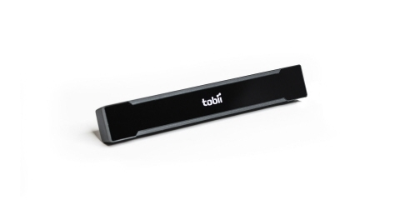
Collecting and analyzing eye-tracking data.
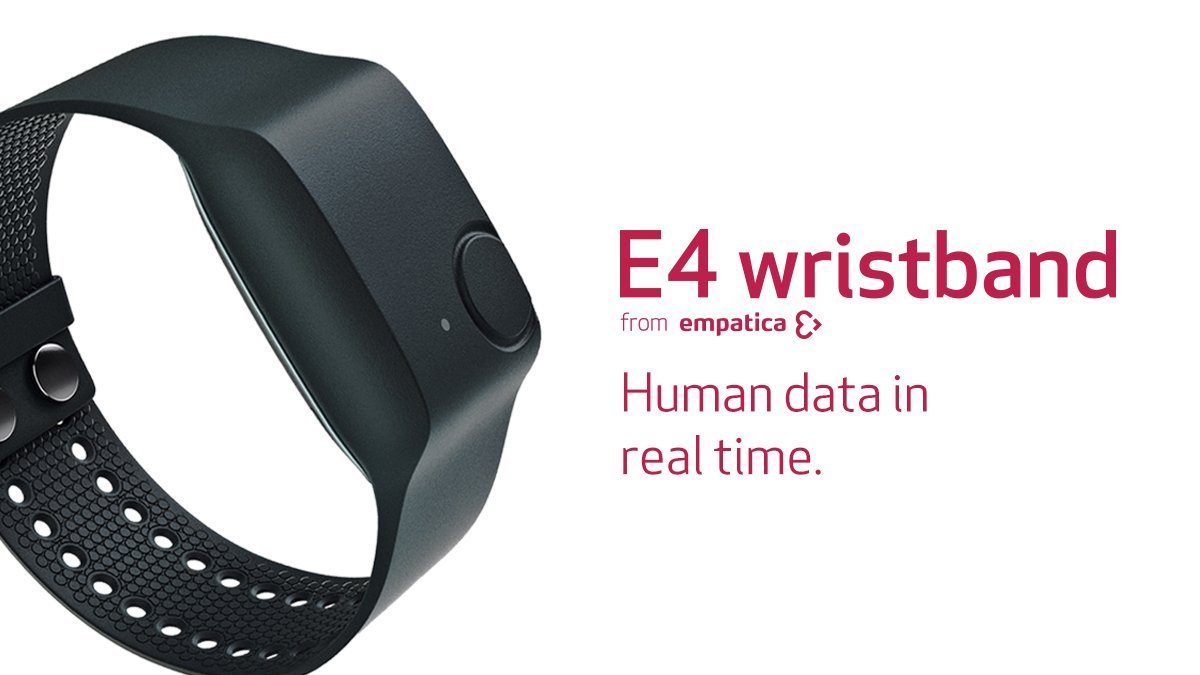
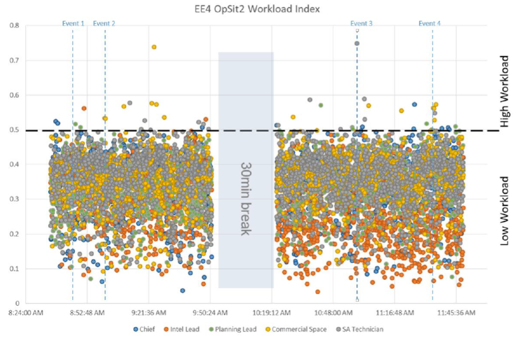
Capturing physiological workload data using Empatica E4 wearable sensors.
Synthesizing qualitative and quantitative findings.
Writing technical reports and recommendations for program and development teams.
The Challenge
The customer was not building a single application.
Instead, multiple contractors were independently developing command-and-control tools designed to work together within a shared space operations environment. Before these tools could advance, the customer needed evidence that they supported operators during complex missions, not just that the software functioned as intended.
Our team was tasked with understanding how these systems performed in realistic operational scenarios and identifying where design decisions could improve mission effectiveness.
At the center of our evaluation were three critical questions:
Could operators quickly find the information they needed when time mattered most?
Did certain interface designs increase cognitive workload?
Were users able to maintain situational awareness as mission conditions changed?
Research Approach
Because no single metric explains human performance, we combined multiple research methods to understand what operators experienced throughout each mission scenario.
Behavioral Research
Observation
Think-aloud discussions
Focus groups
Post-scenario interviews
Objective Measures
Eye tracking
Empatica E4 physiological monitoring
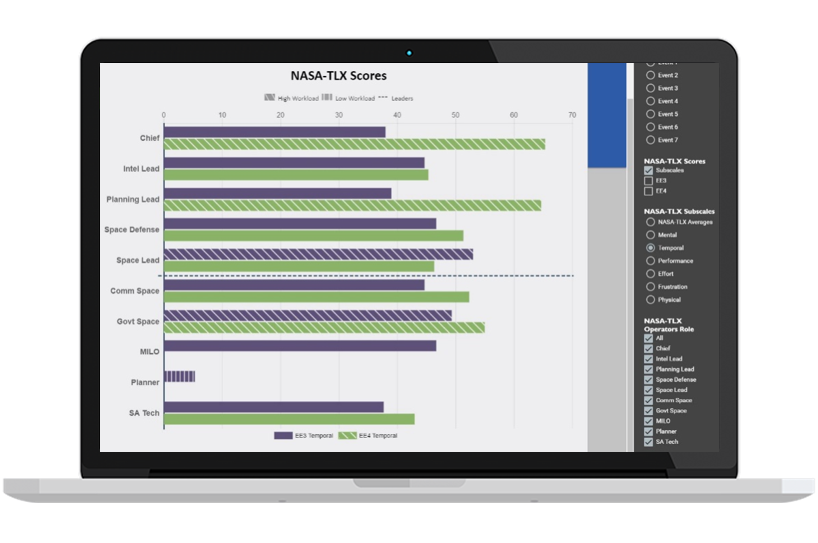
NASA-TLX workload assessments
Performance Metrics
Situational awareness
Decision-making efficiency
Operator workload
Information discovery
Collaboration between operators
Rather than relying on one source of data, we triangulated evidence across multiple methods to better understand why users struggled and where interfaces could better support mission performance.
Spotlight: Measuring Cognitive Workload
One area I personally owned was the collection and analysis of physiological and behavioral data.
During evaluation events, I operated the eye-tracking equipment and Empatica E4 wearable sensors while participants completed realistic space command-and-control scenarios.
After each scenario, I analyzed those objective measures alongside observational findings, NASA-TLX workload assessments, and participant feedback collected during focus groups.
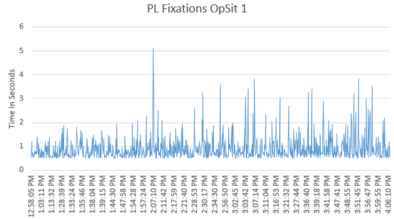
This combination allowed us to identify moments where operators experienced increased cognitive demand and determine whether interface design contributed to that workload.
From Research to Design
After each evaluation event, I helped synthesize findings into technical reports and design recommendations.
These recommendations enabled software teams to refine their tools during each Agile development cycle, improving operator workflows before the next evaluation.
The research informed decisions about interface design, information presentation, and operator support.
Impact
The program demonstrated how human factors research can guide the development of complex aerospace systems.
By combining usability methods with objective physiological measures, our team helped identify opportunities to improve operator performance before deployment.
Our cognitive evaluation approach was ultimately selected by the customer to continue supporting the next phase of the program.
Reflection
The biggest takeaway from this work was that no single research method tells the whole story. Eye tracking revealed where operators directed their attention, physiological measures highlighted changes in cognitive workload, and focus groups explained why those moments occurred. Bringing these data sources together produced stronger, more actionable recommendations than any individual method alone.